
An experienced PPF installer can deliver better fitment, cleaner edges, fewer visible seams, and more reliable long-term performance. Professional PPF installation requires specialized training, precision, and an understanding of how film behaves across different vehicle shapes and surfaces. For drivers searching for a certified PPF installer Orlando, installer experience matters just as much as the quality of the paint protection film itself.
What Should You Look for in a Certified PPF Installer?
A qualified installer should bring together training, hands-on experience, consistent workmanship, a clean installation environment, and a strong portfolio of completed vehicles. Certification is valuable, but it should be viewed as one part of the bigger picture rather than the only qualification that matters.
Look Beyond the Certificate
A certified PPF installer has typically received product-specific or technical training, which provides an important foundation. Real-world installations, however, are where those skills are tested. Every vehicle presents different challenges, from sharp body lines and recessed areas to complex bumpers and curved panels.
Before choosing an installer, it makes sense to look closely at previous work. Pay attention to edge finishing, seam placement, overall cleanliness, and how naturally the film blends with the paint. It is also worth asking whether the installer regularly works on vehicles similar to yours.
At Classic Details Auto Spa, these are the same standards we would use when evaluating an experienced PPF installer ourselves. A professional PPF installation Orlando drivers can trust should demonstrate both technical knowledge and consistent results on actual vehicles.
Why PPF Installation Requires More Skill Than Applying Film
PPF installation requires precise fitting, controlled stretching, careful positioning, and detailed edge work to create a finish that looks nearly invisible. Applying the material is only one part of the job. Knowing how to manipulate it around complicated vehicle geometry is where installer skill becomes much more noticeable.
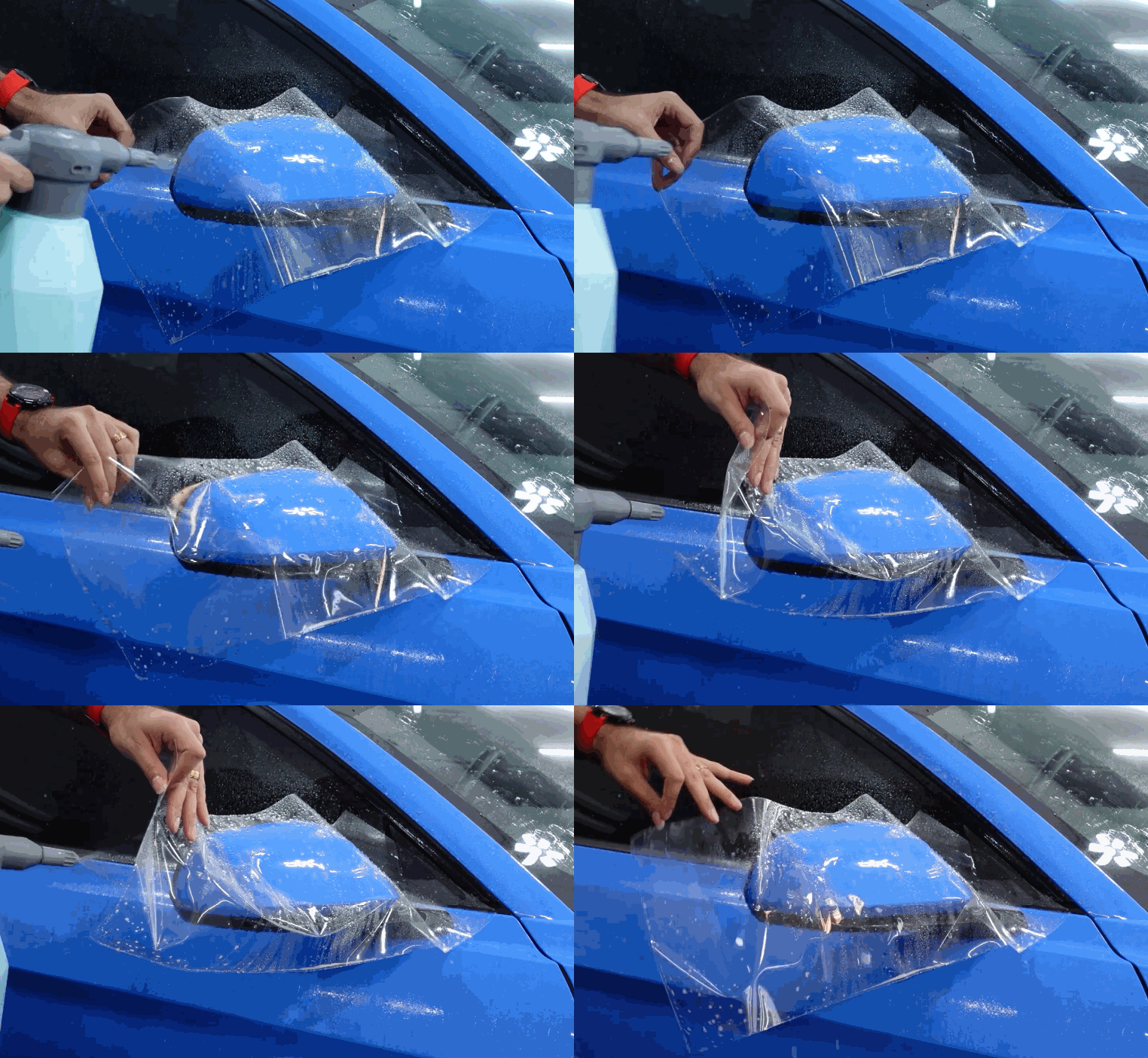
A flat hood is relatively straightforward compared with a bumper filled with air intakes, sensors, sharp curves, and recessed sections. Mirrors present their own challenges, while fenders, spoilers, rocker panels, and other complex surfaces require the installer to understand exactly how much tension the film can handle.
Too much tension can cause distortion or encourage edges to lift later. Too little can leave excess material, wrinkles, or poor PPF fitment. The installer also needs to determine where the film should be stretched, where it should naturally relax, and where a seam may be necessary rather than forcing the material into an unstable position.
That balance is what separates basic paint protection film installation from truly professional work. A seamless PPFappearance isn’t achieved by simply hiding every edge. It comes from knowing how to work with the shape of the vehicle so the protection looks intentional and remains secure over time.
How Installer Experience Affects the Final Appearance
Installer experience determines how naturally paint protection film blends with the vehicle once the job is finished.Good workmanship makes the protection difficult to notice, while rushed installation can draw attention to the film for all the wrong reasons.
The difference often comes down to details that seem small during installation but become obvious once you’re standing next to the vehicle.
- Clean edge wrapping: Edges are wrapped where appropriate so exposed film lines are minimized.
- Strategic seam placement: When seams are necessary, they’re positioned where they attract as little attention as possible.
- Accurate alignment: Film follows panel lines instead of appearing crooked or uneven.
- Controlled stretching: Proper tension prevents unnecessary distortion and stretch marks.
- Contamination control: Careful preparation limits dust, fibers, and debris trapped beneath the material.
An experienced installer also knows when not to force an edge or stretch a difficult section simply to make it disappear. Sometimes the cleanest and most durable result comes from making a calculated installation decision rather than chasing an unrealistic finish.
That attention to detail is essential for an invisible PPF installation. Quality PPF edge wrapping and careful finishing allow professional paint protection film to complement the original finish instead of distracting from it.
Why Orlando Driving Conditions Make Installation Quality More Important
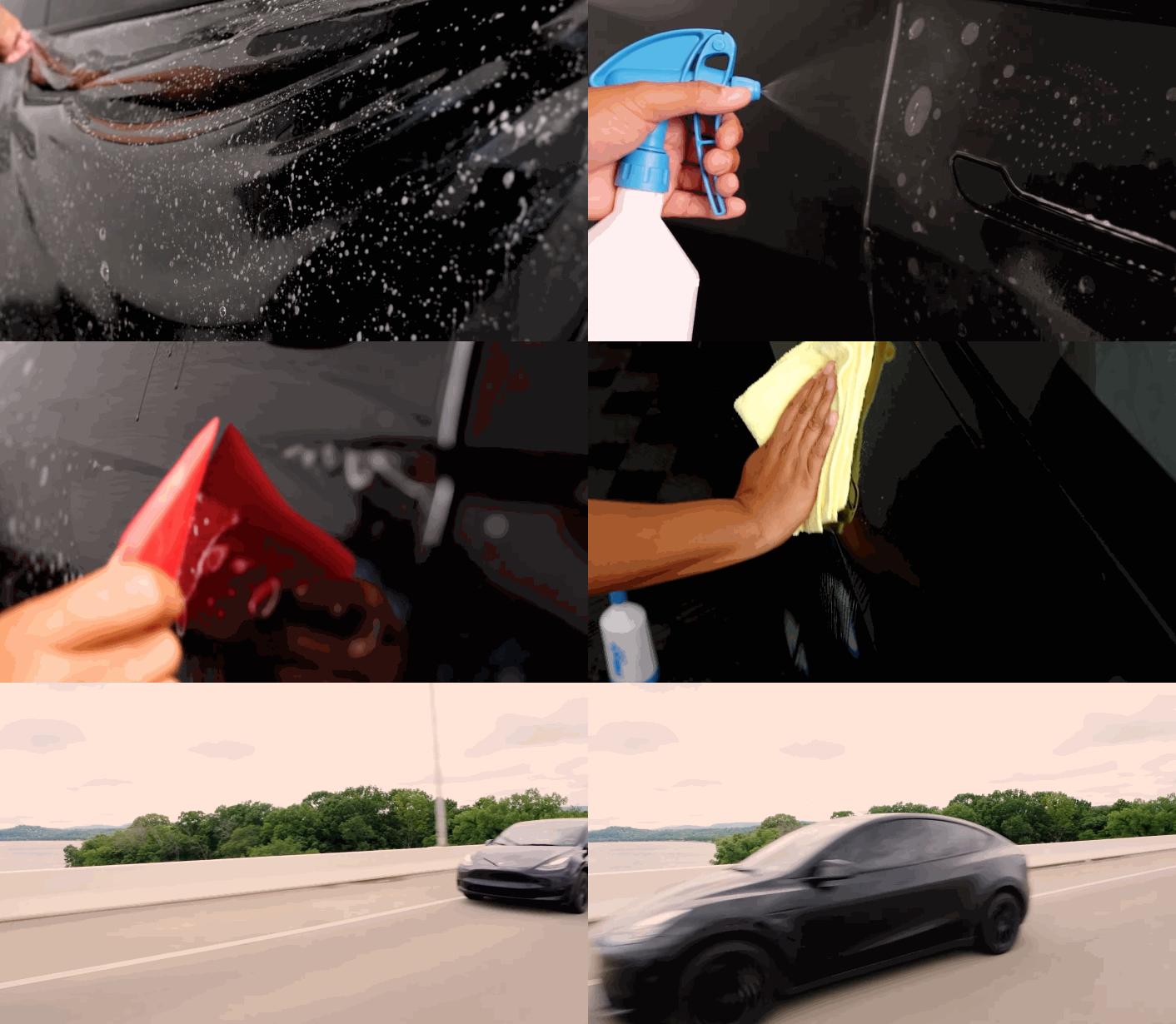
Orlando’s combination of heat, humidity, frequent rain, insects, and highway debris makes durable PPF installation especially important. Film installed in Central Florida needs to remain properly adhered while facing demanding conditions throughout most of the year.
Local roads also give paint protection film Orlando drivers plenty of work to do. I-4, SR-408, SR-417, and Florida’s Turnpike expose front bumpers, hoods, mirrors, and fenders to debris moving at highway speeds. Frequent construction throughout Central Florida can add loose material to that environment, while Florida’s heavy insect activity creates another source of contamination on exposed surfaces.
Heat and moisture make installation details particularly important. Properly finished edges are less vulnerable to premature lifting, while careful surface preparation gives the adhesive the clean foundation it needs to perform consistently.
At Classic Details Auto Spa, working in Central Florida means we understand these conditions firsthand. Our approach to Orlando vehicle protection considers not only how the film looks when it leaves the shop, but also how the installation needs to perform after months and years of local driving.
That’s ultimately the point of long-term PPF protection. A clean installation should continue doing its job well after the initial appearance stops being the owner’s main concern.
What Happens During a Professional PPF Installation?
Professional PPF installation involves much more than placing film over the paint. The condition of the surface, cleanliness of the working area, positioning of the material, and finishing details all influence how the film looks and performs after installation.
A careful PPF installation process follows several important stages:
- Vehicle inspection: The paint is evaluated for chips, scratches, swirl marks, previous repairs, and other imperfections that could affect the finished result.
- Cleaning and decontamination: Dirt, road grime, embedded particles, and other contaminants are thoroughly removed from the surface.
- Paint preparation: Any necessary correction is performed before installation. Proper paint preparation for PPFmatters because existing defects can remain visible beneath clear film.
- Film positioning: The material is carefully fitted to the panel while the installer controls alignment and tension around curves and body lines.
- Edge finishing: Edges are trimmed, wrapped, and secured where appropriate to create a clean finish and reliable adhesion.
- Final inspection: The completed installation is checked for alignment, contamination, edge security, and overall consistency.
The process doesn’t necessarily end when the vehicle leaves the installation area. Film and adhesive need time to settle, and some temporary moisture or light haziness can be normal during early curing. Following the installer’s aftercare instructions gives the material the proper conditions to stabilize.
Does the Installer Matter More Than the PPF Brand?
Both the film and the installer matter, but premium paint protection film cannot compensate for poor workmanship. A high-quality product provides the foundation for durability, clarity, and protection, while the installer determines how effectively those characteristics translate to the finished vehicle.
Strong PPF installer experience shows in the way film is fitted around complex shapes, how tension is managed, where seams are placed, and how carefully edges are finished. Those decisions affect appearance immediately, but they can also influence adhesion and durability months or years later.
This is why choosing an installer solely because they offer a particular film or the lowest price can be misleading. Film specifications can tell you a lot about the material, but they can’t tell you how carefully someone will prepare your paint or finish a difficult bumper. Ultimately, PPF installation quality is the combination of good material and the workmanship required to install it correctly.
How Can You Spot a Poor PPF Installation?
Lifting edges, trapped contamination, excessive seams, obvious misalignment, and visible stretch marks are some of the clearest signs of a poor PPF installation. However, not everything visible immediately after installation indicates a problem because the film goes through a settling and curing period.
Small pockets of moisture or slight haziness can sometimes appear shortly after installation and improve as moisture evaporates and the adhesive settles. Installers should explain what is normal for the specific film and provide guidance about when the vehicle should be inspected again.
Persistent contamination trapped beneath the film is different. So are edges that continue lifting, seams placed unnecessarily across highly visible areas, distorted film, or alignment that clearly doesn’t follow the panel correctly. Paint protection film bubbles that remain after the expected curing period may also deserve professional attention.
At Classic Details Auto Spa, we recommend having questionable work inspected rather than immediately assuming every visible imperfection means the installation has failed. An experienced installer can determine whether you’re seeing normal curing behavior or genuine PPF installation problems such as lifting PPF edges that require correction.
How Should You Choose PPF Coverage for Your Vehicle?
PPF coverage should reflect how and where your vehicle is driven instead of following the same package for every owner. Highway mileage, parking conditions, vehicle type, ownership plans, and the level of cosmetic preservation you expect should all influence the decision.
Daily Orlando Commuters
Frequent driving on I-4, SR-417, SR-408, and Florida’s Turnpike increases exposure to rocks, tire debris, insects, and other highway hazards. Full front PPF can be a practical option because it typically concentrates protection on the bumper, hood, front fenders, and mirrors where impacts occur most often.
Performance and Luxury Vehicles
Owners who place a high priority on maintaining the original finish may prefer full body PPF. Extending protection across painted panels helps create more comprehensive coverage against everyday wear while preserving a consistent appearance throughout the vehicle.
Lower-Mileage Vehicles
Cars that spend less time on the road may only need targeted high-impact protection. Coverage around the bumper, hood, mirrors, or other vulnerable areas can provide meaningful protection without necessarily wrapping the entire vehicle.
At Classic Details Auto Spa, we approach PPF coverage options by first understanding how the customer actually uses the vehicle. The most expensive package isn’t automatically the right one. The goal is to put protection where it provides meaningful value based on your driving habits and long-term ownership plans.
Conclusion: Choose PPF Experience, Not Just a Film
The quality of a PPF installation depends heavily on the skill and experience of the person performing the work.Certification and film quality are valuable considerations, but neither replaces careful preparation, precise fitment, clean edge work, contamination control, and a thorough final inspection.
That workmanship becomes particularly important in Orlando, where highway debris, construction activity, insects, heat, humidity, and frequent driving can put vehicle finishes through demanding conditions. Properly installed paint protection film gives the material the foundation it needs to provide dependable protection while maintaining a clean appearance.
Choosing an installer should therefore involve more than asking what brand they carry. Look at their finished work, ask about their installation process, understand the coverage they’re recommending, and make sure their experience matches the results you expect.
Ready to protect your vehicle? Contact Classic Details Auto Spa to discuss paint protection film, personalized coverage options, and professional PPF installation for your vehicle in Orlando, FL.