
Florida drivers often choose professional auto window tinting over DIY kits because professional installation provides better film quality, cleaner fitment, more consistent performance, and fewer installation problems. In Orlando, where window film regularly faces intense sunlight, high cabin temperatures, humidity, and year-round UV exposure, the difference between simply applying film and installing it correctly matters.
DIY kits can still appeal to drivers looking for an inexpensive project. However, when heat rejection, appearance, visibility, and long-term performance are priorities, professional window tint installation offers advantages that are difficult to reproduce at home.
Why Does Professional Window Tinting Make Sense in Florida?
Professional window tinting makes sense in Florida because the film needs to perform under persistent heat, intense sunlight, and UV exposure while maintaining a clean appearance. Orlando drivers deal with these conditions for much of the year, not just during a short summer season.
A car sitting outside during an Orlando afternoon can build up considerable cabin heat. Then there are daily commutes along I-4, SR-408, SR-417, and Florida’s Turnpike, where drivers may spend extended periods exposed to direct sunlight through the side windows and windshield.
Quality auto window tinting can help address several practical concerns:
- Solar heat: Performance films can reduce the amount of solar energy entering the cabin.
- UV exposure: Automotive films can provide substantial UV protection when designed for that purpose.
- Glare: Tint can make bright Florida driving conditions more comfortable by reducing excessive visible light.
- Interior exposure: Reducing solar energy and UV reaching interior surfaces can help limit cumulative sun exposure.
- Privacy: Depending on the film and legal tint level selected, darker glass can provide additional privacy.
At Classic Details Auto Spa, we look at window tint as more than a cosmetic modification. Florida conditions make film performance particularly relevant, so choosing the right product and installing it properly can matter just as much as choosing how dark you want the windows to look.
What Is the Difference Between Professional Window Tint and a DIY Kit?
The main difference is that professional window tinting combines higher-quality film options with vehicle-specific preparation and installation, while a DIY kit places the cutting, fitting, cleaning, and application process entirely in the owner’s hands. The film itself is only one part of the finished result.
DIY Kits Prioritize Accessibility
DIY tint kits are attractive because they’re readily available and usually cost less upfront. Some are pre-cut for specific vehicles, while others require the installer to measure and trim the material. For someone comfortable working carefully with film, a DIY kit can be an approachable customization project.
The challenge is that automotive glass isn’t simply a collection of flat rectangles. Curved rear windows, tight seals, door panels, defroster lines, and small edge tolerances make installation considerably more technical than it appears in a short online video.
Professional Installation Prioritizes Fit and Performance
A professional installer works with those variables every day. Glass preparation, film positioning, heat shrinking where required, moisture removal, edge finishing, and final inspection all affect the outcome.
The comparison therefore isn’t simply professional window tint vs DIY tint. It’s the difference between purchasing film and taking responsibility for the entire installation versus having the material selected, prepared, fitted, and inspected by someone experienced with automotive glass.
Why Is DIY Window Tint Difficult to Install Cleanly?
DIY window tint is difficult to install cleanly because even small mistakes during glass preparation, film handling, positioning, or shrinking can remain visible after installation. Dust that seems insignificant on bare glass can become surprisingly obvious once it’s trapped beneath film.
Installation also requires controlling several things at once:
- Cleaning the glass: Residue, fibers, dust, and contaminants need to be removed before the film is positioned.
- Handling the film: Creases or accidental contamination of the adhesive can compromise an otherwise usable piece.
- Getting the fit right: Film needs accurate coverage without leaving awkward gaps or extending improperly beyond the glass.
- Managing curved glass: Certain windows require controlled heat shrinking so the film conforms without fingers, wrinkles, or distortion.
- Finishing the installation: Remaining solution must be removed carefully while edges and surrounding areas are checked.
Florida humidity can make an already delicate project feel even less forgiving, particularly for someone attempting their first DIY window tint installation in a driveway or garage without a controlled workspace.
At Classic Details Auto Spa, experience allows us to recognize where a particular window is likely to become challenging before the film is committed to the glass. That familiarity is one reason professional car window tint installation tends to produce a more consistent finish across every window rather than one good window followed by several increasingly frustrating ones.
Does Professional Window Tint Reject More Heat Than DIY Tint?
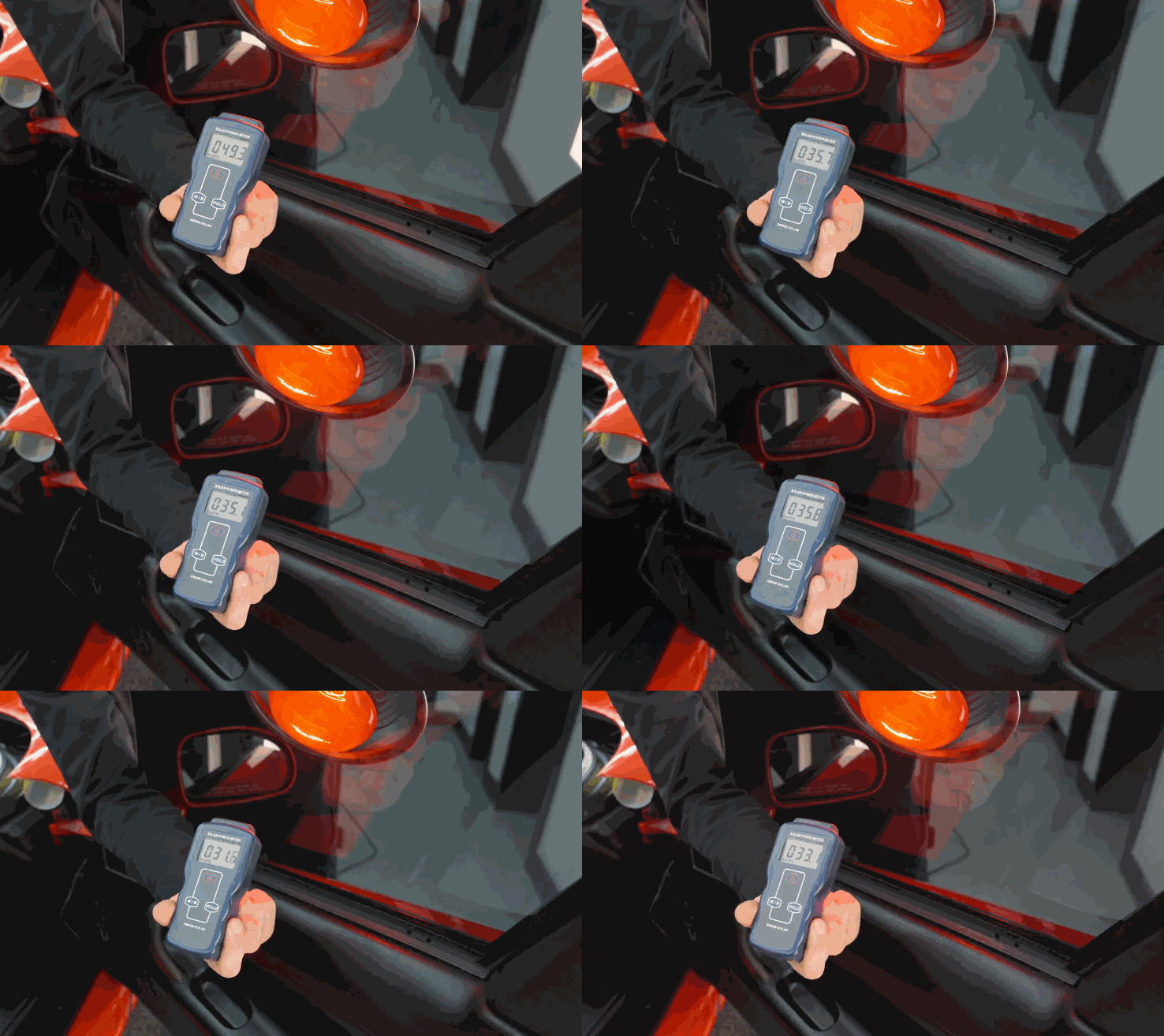
Professional window tint can provide substantially better heat rejection than many basic DIY films, but performance depends on the film technology rather than whether the tint was purchased from a shop or a retail kit. Darkness alone does not tell you how effectively a film controls solar energy.
This distinction is especially important in Florida. A very dark inexpensive film may look like it should keep a car significantly cooler, yet a lighter high-performance film can potentially offer stronger solar performance depending on its construction.
Film Technology Matters More Than Darkness
Ceramic and other advanced automotive films can be engineered to reject significant infrared energy while maintaining usable visible light transmission. Basic dyed films generally focus more heavily on appearance and glare reduction.
That means Florida drivers shouldn’t select heat rejection window tint based only on how dark a sample looks. Visible light transmission, solar performance, UV protection, optical clarity, and the quality of the film all deserve consideration.
For an Orlando driver spending substantial time commuting under direct sun, the practical question isn’t simply, “How dark can I go?” It’s which film delivers the combination of comfort, visibility, appearance, and performance that fits the vehicle and how it’s actually driven.
Here’s the second half, continuing directly from the first and keeping the formatting varied.
How Does Professional Installation Affect Window Tint Longevity?
Professional installation can support longer window tint life by ensuring the glass is properly prepared, the film is correctly fitted, and vulnerable edges are finished carefully. Film quality still matters, but even excellent automotive film can develop problems when the window tint installation itself is poorly executed.
Edges deserve particular attention. Film that isn’t properly positioned or secured can become more susceptible to lifting or peeling through repeated window operation and normal wear. Contamination trapped underneath the film can also create visible imperfections that won’t disappear simply because the film has finished curing.
Florida adds another consideration: sustained heat and sun exposure. Vehicles in Orlando routinely sit in hot parking lots and then cool rapidly once the air conditioning starts. Choosing automotive film intended for demanding conditions and installing it correctly gives the material a better foundation for long-term performance.
A professional installation doesn’t make window tint indestructible, and no responsible installer should imply that it does. Product quality, exposure, maintenance, physical damage, and installation workmanship all contribute to window tint longevity.
What Problems Can Happen With DIY Window Tint?
DIY window tint can develop bubbles, creases, contamination, uneven edges, gaps, peeling, or visual distortion when preparation and installation aren’t handled correctly. Some imperfections may be temporary during curing, but installation errors generally don’t correct themselves with time.
Common issues include:
- Trapped contamination: Dust, lint, hair, and debris can remain visible beneath the film.
- Creases and fingers: Poor handling or incorrect shrinking can leave permanent imperfections.
- Uneven edges: Inaccurate trimming can make the installation look unfinished.
- Peeling film: Poor adhesion or problematic edge finishing can contribute to lifting.
- Optical distortion: Low-quality material or installation problems can affect clarity through the glass.
One mistake can also become expensive when the damaged piece has to be discarded and replaced. A DIY kit that initially looked economical may require additional film, tools, and considerable time before the result is acceptable.
At Classic Details Auto Spa, part of professional auto window tinting is controlling the installation environment and inspecting the finished work. Cleanliness and precision might not be the most exciting parts of tinting a car, but they’re often what separate a polished installation from one where your eyes immediately go to the imperfections.
Is Professional Window Tinting Worth the Extra Cost?
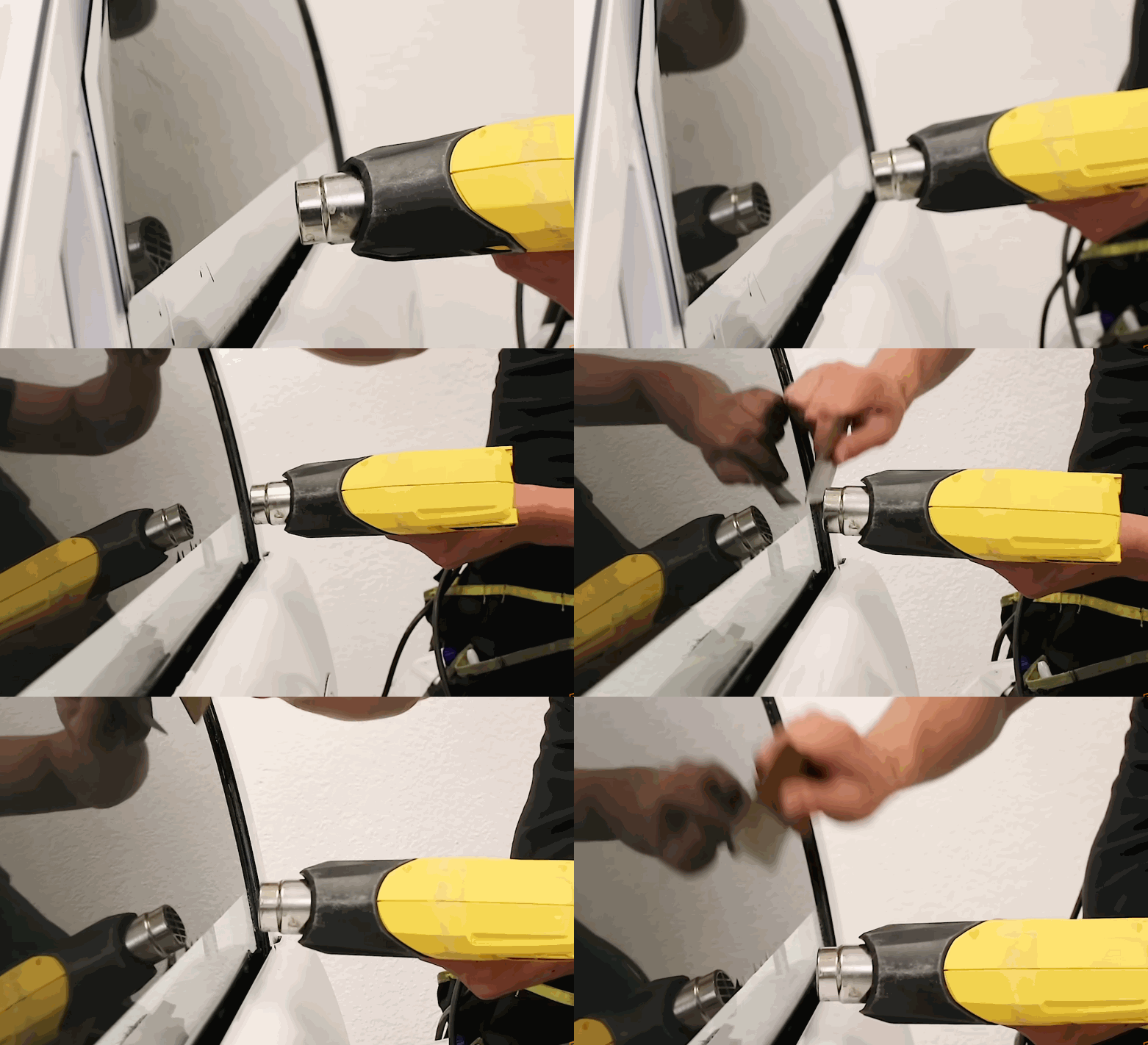
Professional window tinting is often worth the additional cost for Florida drivers who value reliable performance, precise fitment, clean appearance, and professional installation rather than simply obtaining the lowest upfront price. DIY tint can cost less initially, but price alone doesn’t capture the entire difference.
You’re Paying for More Than Film
A professional service includes surface preparation, material handling, vehicle-specific fitting, installation tools, controlled techniques, and experience working around curved automotive glass, seals, trim, and defroster lines.
Product Selection Matters Too
Professional installation also gives you an opportunity to choose film according to performance rather than guessing from a package description. In Orlando, heat rejection, UV protection, glare reduction, optical clarity, and visible light transmission can all be more relevant than choosing the darkest film available.
Your Time Has Value
Tinting an entire vehicle can become a lengthy project for someone learning as they go. A failed piece means removing it, cleaning the glass again, preparing another section of film, and repeating the process.
The value calculation is personal. Someone who enjoys hands-on automotive projects may still prefer DIY. For drivers primarily interested in getting dependable Florida window tinting without turning the installation into their weekend project, professional service can make considerably more sense.
What Should Florida Drivers Look for in a Professional Window Tint Installer?
Florida drivers should look for a window tint installer who can clearly explain film performance, installation practices, warranty coverage, and legal considerations rather than focusing only on tint darkness. A good installer should help you understand what you’re putting on your vehicle and why a particular film fits your priorities.
Before choosing an installer, consider the following:
- Film quality and specifications: Ask about heat rejection, UV protection, visible light transmission, and the type of film being installed.
- Installation experience: Automotive tint requires familiarity with different glass shapes, vehicle designs, and installation challenges.
- Work environment: A clean installation area helps reduce the chance of contamination reaching the adhesive.
- Warranty information: Understand what the film and workmanship warranties cover and what they exclude.
- Florida tint requirements: The selected film should account for applicable state requirements rather than appearance alone.
At Classic Details Auto Spa, we prefer to understand what a driver wants from the tint before recommending an option. Someone commuting around Orlando every day may prioritize heat rejection and comfort, while another owner may care more about privacy or appearance. Professional window tint installation should start with those needs rather than treating every vehicle exactly the same.
Conclusion: Should You Choose Professional Window Tinting or a DIY Kit in Florida?
Professional auto window tinting is the stronger choice for many Florida drivers who want consistent fitment, quality film, reliable solar performance, and fewer installation-related problems. DIY kits remain a legitimate option for owners who enjoy doing the work themselves and are comfortable accepting the learning curve involved.
Orlando conditions make the decision particularly relevant. Strong sunshine, persistent heat, UV exposure, and regular driving on roads such as I-4 and SR-408 mean window film can serve a practical purpose well beyond changing how the vehicle looks. Selecting the appropriate film is important, but so are preparation, fitment, installation technique, and aftercare.
A professionally installed film can help reduce solar heat, control glare, provide UV protection, and give the glass a clean, consistent appearance. More importantly, the film can be selected around how you actually use your vehicle instead of relying on darkness as the main measure of performance.
Contact Classic Details Auto Spa to discuss professional auto window tinting for your vehicle in Orlando, Florida. We can help you compare film options, performance characteristics, and tint levels to choose an installation that fits your driving needs and preferred appearance.