
If you own a car in Florida, you already know the paint doesn’t just “age”… it gets tested. Constant UV exposure, high humidity, sudden rainstorms, salty coastal air, and year-round heat all work against your clear coat. Even when your vehicle looks clean, Florida conditions are constantly trying to fade, dull, and contaminate your finish.
That’s exactly why ceramic coating has become such a practical option for Florida drivers. Not as a trend, not as hype—but as a real solution that makes paint easier to maintain, better protected, and noticeably more resilient in everyday conditions.
In this guide, we’ll break down what ceramic coating actually is, what it does (and what it doesn’t), and whether it’s worth it for the way you drive and park in Florida.
Ceramic Coating Explained
Let’s keep this simple and honest: ceramic coating is a liquid protective product—typically SiO2-based (silicon dioxide)—that’s applied to your vehicle’s exterior and bonds to the clear coat. Once it cures, it creates a durable layer of protection that helps resist environmental damage and makes the surface easier to clean.
A proper ceramic coating application isn’t just wiping a product on the paint. It’s a controlled process where the surface is prepped correctly, and the coating is applied so it bonds evenly and cures the way it’s supposed to.
What ceramic coating is NOT
Ceramic coating is powerful, but it’s important to set expectations:
- It’s not wax
- It’s not paint protection film (PPF)
- It’s not a “force field” that makes your car immune to damage
What it is, is a long-term paint protection layer designed for people who want their paint to hold up better and stay easier to maintain—especially in climates like Florida.
How Ceramic Coating Works on a Real Vehicle Surface

Once ceramic coating bonds to the clear coat, it changes how the surface behaves. The biggest difference most drivers notice first is the hydrophobic effect—water beads up and slides off instead of clinging to the paint. That matters in Florida because our rain isn’t occasional, it’s part of life.
Ceramic coating also adds chemical resistance, meaning everyday contaminants are less likely to embed into the clear coat. Over time, that helps reduce oxidation and dullness, which are extremely common in sun-heavy states.
And yes—there’s also the appearance side. A well-applied ceramic coating makes paint look deeper and glossier, not because it “adds shine,” but because it creates a smoother, more reflective surface. The bonus is that washing becomes easier, faster, and less aggressive—which helps preserve the finish long-term.
What Ceramic Coating Helps With in Florida (And What It Doesn’t)
Florida is one of the most demanding states in the country for car paint. Ceramic coating helps because it reduces how aggressively the environment sticks to your vehicle and how quickly the finish breaks down.
What ceramic coating helps with in Florida
- Sun exposure and UV-related fading
- Oxidation over time (paint looking tired or chalky)
- Water spots from rain + hard water minerals
- Bug splatter buildup (especially during heavy seasons)
- Bird droppings and other paint contaminants
If you’re closer to coastal areas, there’s another major advantage: ceramic coating helps reduce the impact of salt exposure and mineral buildup that slowly eats away at unprotected surfaces.
Ceramic Coating vs Wax vs Sealants: What Florida Drivers Should Know
A lot of Florida car owners try wax first (which makes sense), then get frustrated when the results don’t last. The heat, sun, and rain shorten wax performance quickly, and frequent washing strips it even faster.
Here’s the practical comparison:
- Wax: looks great short-term, but breaks down fast in Florida weather
- Sealants: better durability than wax, still limited lifespan
- Ceramic coating: strongest long-term protection and easiest upkeep
That’s why ceramic coatings are often preferred for Florida vehicles: they’re built for harsh exposure, they maintain paint better over time, and they reduce the need for constant reapplication.
If you want long-lasting protection, real hydrophobic behavior, and paint that stays easier to clean through Florida seasons, ceramic coating usually becomes the most logical step.
The Ceramic Coating Application Process
A real ceramic coating application starts long before the coating touches the paint. The coating can only bond properly if the surface is clean, decontaminated, and corrected. That’s why professional results don’t come from “applying a product,” they come from the full process behind it.
The foundation is prep: a proper wash, decontamination, iron removal to pull embedded particles, and clay treatment to smooth the surface. After that comes the most important step for appearance and bonding—paint correction. If the paint has swirl marks, haze, or oxidation, sealing that under a coating locks imperfections in place. Polishing creates the clean, glossy finish the coating is meant to protect.
This also needs the right environment. Controlled temperature, proper lighting, dust control, and correct curing time are what make the coating set evenly and perform the way it’s designed to.
At Classic Details Auto Spa, we’re process-driven because we know Florida conditions are tough on paint. We treat ceramic coating as a paint-protection system, not a quick add-on, and that’s what separates a professional finish from a short-lived result.
Choosing the Right Type of Ceramic Coating (1-Year vs Multi-Year Options)
Not every vehicle needs the same coating package. Some drivers are looking for a strong protection boost with lower commitment, while others want multi-year durability with maximum performance. The truth is, ceramic coatings vary in strength, layering, and lifespan—and the right match depends on how the car is actually used.
A shorter-term coating can be ideal for drivers who want improved gloss and easier cleaning without going all-in. Multi-year coatings are built for longer protection, and they’re typically chosen by owners who park outdoors, drive daily, or simply want long-term peace of mind without reapplying protection frequently.
What we tell Florida car owners is simple: the “best” coating isn’t automatically the most expensive one. The best coating is the one that fits your driving habits and parking situation. A daily commuter parked outside in the Florida sun has very different needs than a weekend car kept in a garage most of the week.
What Impacts Ceramic Coating Longevity in Florida
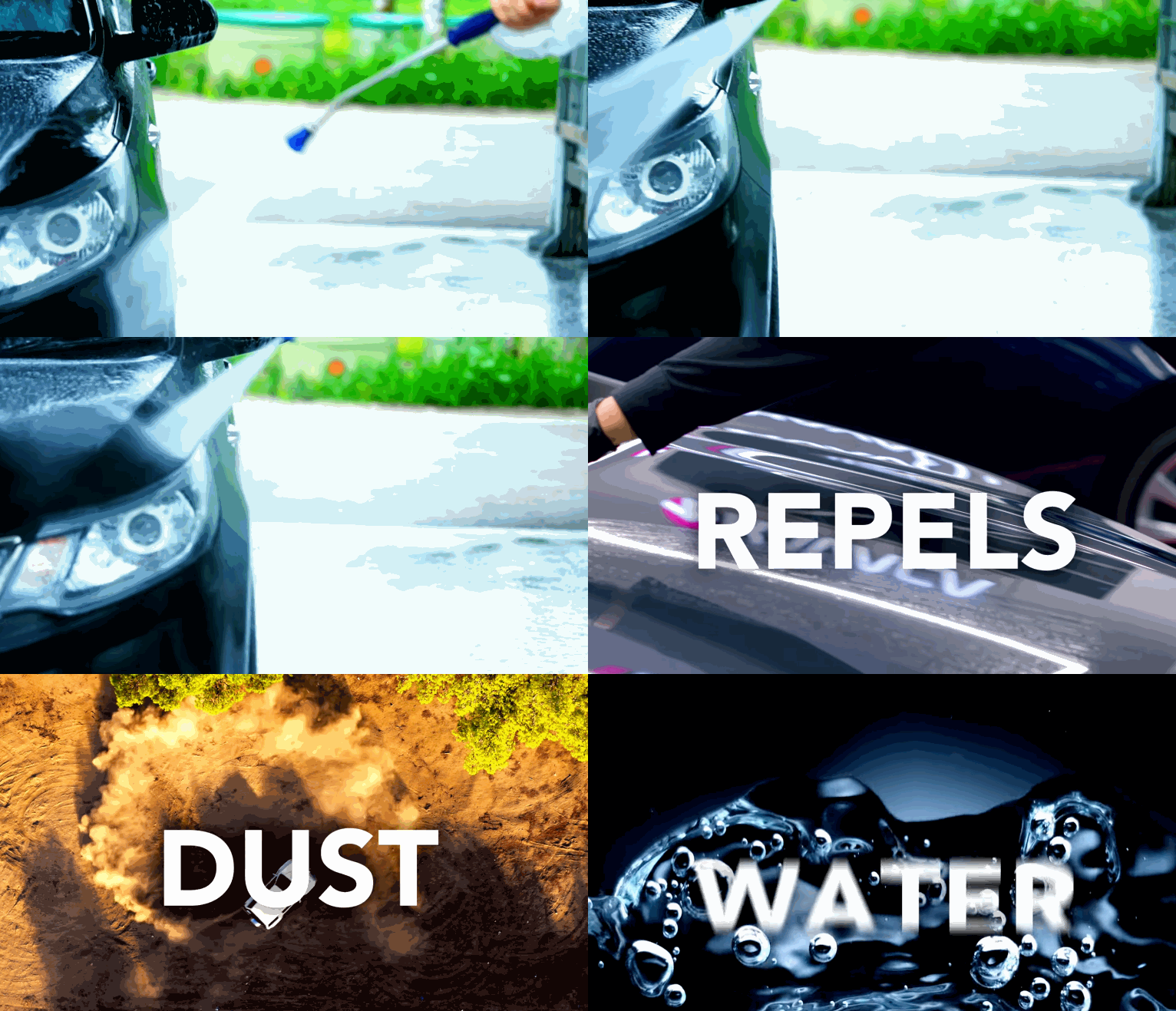
Florida is one of the hardest environments for any exterior protection, and ceramic coating longevity depends on how much exposure your vehicle gets.
Outdoor parking is usually the biggest factor. Constant UV and heat wear protection faster, especially when the vehicle sits in direct sun day after day. Frequent rainstorms create another challenge—water spots. In Florida humidity, mineral-filled water dries quickly on hot panels, which is why coatings that bead water still need proper drying habits.
Then there’s real driving exposure. Highway miles mean more contaminants, and during heavy bug seasons, Florida drivers deal with impact after impact. Love bugs and bug splatter don’t just look bad—they’re acidic, and they can damage surfaces if left too long.
Maintenance habits tie everything together. Regular safe washes, gentle cleaning methods, and consistent upkeep dramatically extend the performance window of the coating.
At Classic Details Auto Spa, we help clients set realistic expectations and choose protection based on Florida reality—not best-case scenarios. That guidance is a big reason our coatings perform the way customers expect over the long term.
Conclusion: Is Ceramic Coating Worth It in Florida?
Ceramic coating is a durable protective layer that bonds to your clear coat, helping your paint resist Florida’s toughest conditions—UV exposure, heavy rain, humidity, bugs, and contamination—while making cleaning noticeably easier. When done properly, it’s one of the most effective ways to preserve long-term gloss and paint health in this climate.
The key is that results depend on process. A true ceramic coating application requires proper prep, correction, and controlled curing to perform the way it’s supposed to—otherwise you’re just paying for a short-lived finish.
If you’re ready to protect your paint the right way and want real guidance on what coating option fits your vehicle, contact Classic Details Auto Spa today. We’ll help you choose the right solution for Florida driving and deliver a ceramic coating finish that looks incredible, stays easier to maintain, and holds up long term.