
Orlando summers have a way of finding every weakness in a vehicle’s ability to manage heat. Temperatures stay high for months, humidity lingers throughout the day, and sunlight remains intense long after the morning commute is over. For Tesla owners, those conditions become even more noticeable because of one defining feature: glass.
Whether it’s a Model 3 parked near Lake Nona, a Model Y navigating I-4 traffic, or a Model S spending the afternoon in Winter Park, Tesla cabins are exposed to a significant amount of sunlight through their expansive glass design. Add Orlando’s tourist-heavy traffic patterns and long periods spent waiting at lights or moving slowly through busy corridors, and interior temperatures can rise surprisingly quickly.
That’s why many Tesla owners begin looking beyond factory glass and toward solutions that actively manage heat. A high-quality window tint setup is no longer viewed as just a cosmetic enhancement. It has become one of the most practical upgrades available for improving comfort and protecting the cabin from Florida’s climate.
At Classic Details Auto Spa, we work with Tesla owners regularly, and one thing we hear often is how dramatic the difference can be after installing a performance-focused automotive window film. Modern heat rejection window tint technology helps address one of the biggest challenges Tesla drivers face in Central Florida: keeping the cabin comfortable despite constant sun exposure.
What Makes Teslas Different When It Comes to Heat Exposure?
Most vehicles have plenty of glass, but Teslas take that concept much further. Their design philosophy prioritizes visibility, openness, and natural light, which creates a unique ownership experience but also changes how the cabin responds to heat.
More Glass Means More Sunlight
Several Tesla design elements contribute to increased solar exposure:
- Large windshields that extend higher than many traditional vehicles
- Expansive side windows designed to maximize visibility
- Panoramic roof systems that expose more of the cabin to sunlight
- Minimalist interiors where sunlight directly reaches large surfaces
The result is that heat can accumulate differently than it does in many conventional vehicles. The Tesla glass roof in particular allows more natural light into the cabin, which many owners love, but it also creates additional exposure during Orlando summers.
This doesn’t mean Teslas are poorly designed. It simply means that Tesla heat protection becomes more important because of the vehicle’s architecture. Better temperature control can improve overall Tesla cabin comfort, especially during periods of extended parking or long daytime drives.
How Window Tint Helps Tesla Drivers Stay Cooler
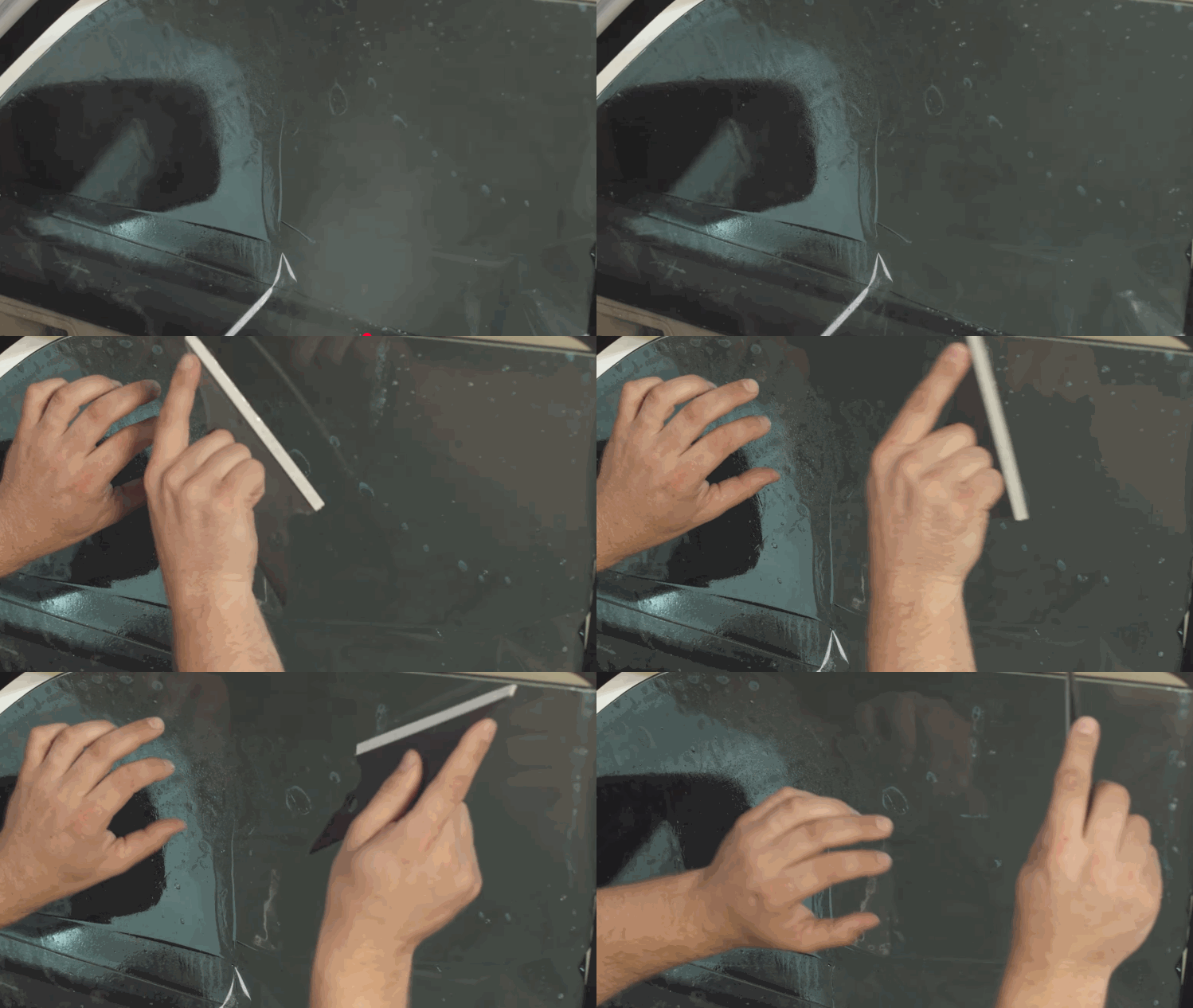
Heat enters a vehicle through the glass long before it becomes noticeable to the driver. By the time the steering wheel feels hot or the seats begin radiating warmth, solar energy has already been building inside the cabin for hours.
That’s where modern window tint technology makes a difference.
Understanding What the Film Is Actually Blocking
Today’s high-performance films are designed to manage multiple types of sunlight at once:
- Visible light that contributes to glare
- Infrared energy that creates heat buildup
- Ultraviolet rays that damage interior materials
- Solar energy that increases overall cabin temperature
Infrared heat rejection is especially important because infrared rays are responsible for much of the heat people physically feel inside the vehicle. A quality film helps reduce that energy before it enters through the glass.
At Classic Details Auto Spa, we often explain it this way: not all tint is designed to simply make windows darker. The goal is reducing heat while maintaining visibility and comfort. That’s why many Tesla owners gravitate toward solutions like ceramic window tint, which can deliver strong solar heat rejection and enhanced protection through advanced UV protection window film technology.
Which Tesla Windows Should Be Tinted?
Choosing where to apply tint is just as important as selecting the film itself. Different Tesla owners prioritize different areas depending on how they use their vehicles and how much heat reduction they want.
- Windshield tint can help reduce overall solar load while maintaining visibility when legal film options are used.
- Front side windows are often prioritized because they receive constant exposure during daily driving.
- Rear side glass helps improve comfort for passengers and balances heat control throughout the cabin.
- Rear glass contributes to reducing heat entering from behind the vehicle.
- Panoramic roof tint can help address one of the largest sources of sunlight exposure in many Tesla models.
There is no universal formula that works for everyone. Some owners focus on specific high-exposure areas, while others prefer a more comprehensive approach through full vehicle tint coverage. The best Tesla window tint options usually depend on driving habits, parking conditions, and individual comfort preferences rather than a one-size-fits-all package
Choosing the Right Tint Performance for Orlando Weather
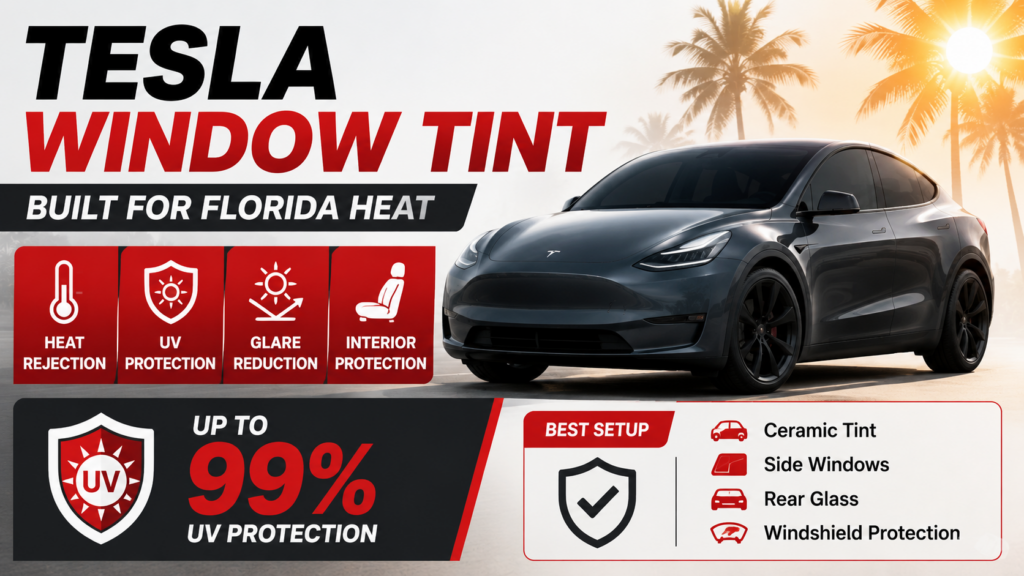
When researching tint, many people focus on darkness first. In reality, darkness tells only a small part of the story.
A lighter high-performance film can often outperform a darker basic film when it comes to heat control. What matters most is how effectively the film manages solar energy entering through the glass.
Standard Films
Traditional dyed films can improve appearance and help reduce brightness. They often serve as an entry-level option for drivers primarily concerned with aesthetics and moderate glare reduction.
Ceramic Performance Films
Higher-performance products like ceramic window tint are designed with heat management as a primary objective. Rather than relying on darkness alone, these films focus on blocking infrared energy while maintaining optical clarity.
Looking Beyond Shade Percentage
The most important characteristics to evaluate include:
- Heat rejection capability
- UV protection performance
- Interior visibility and clarity
- Long-term durability under Florida sun exposure
For Tesla owners dealing with Orlando’s long summers, the best window tint for heat rejection is usually the film that provides measurable comfort improvements without compromising visibility or daily usability. The focus should always be performance first, appearance second.
Why Installation Quality Matters on a Tesla
Tesla owners often spend a lot of time researching film performance, but the installation itself deserves just as much attention. The reality is that even the best tint on the market can underperform if it’s not installed correctly.
Tesla vehicles present unique challenges because of their large glass surfaces and highly visible design details. Small imperfections that might go unnoticed on another vehicle tend to stand out much more on a Tesla. Large rear glass sections, panoramic roofs, and expansive windshields require a level of precision that leaves very little room for error.
Where Installation Quality Makes the Difference
- Proper film alignment ensures a clean, factory-like appearance
- Accurate edge finishing helps prevent lifting and visible gaps
- Dust-free installation environments reduce contamination risks
- Correct shrinking and fitting techniques improve long-term durability
- Controlled curing conditions help the film bond properly to the glass
When installation shortcuts occur, the results are usually easy to spot. Tiny particles trapped beneath the film, uneven edges, peeling corners, or visible distortion can quickly take away from the appearance of an otherwise premium vehicle.
At Classic Details Auto Spa, Tesla projects receive special attention because we understand how much precision these vehicles demand. A true professional window tint installation is about more than applying film, it’s about delivering a finish that looks intentional, clean, and built to last. That level of detail is what separates experienced window tinting services from basic installations.
Matching Your Tint Setup to How You Drive
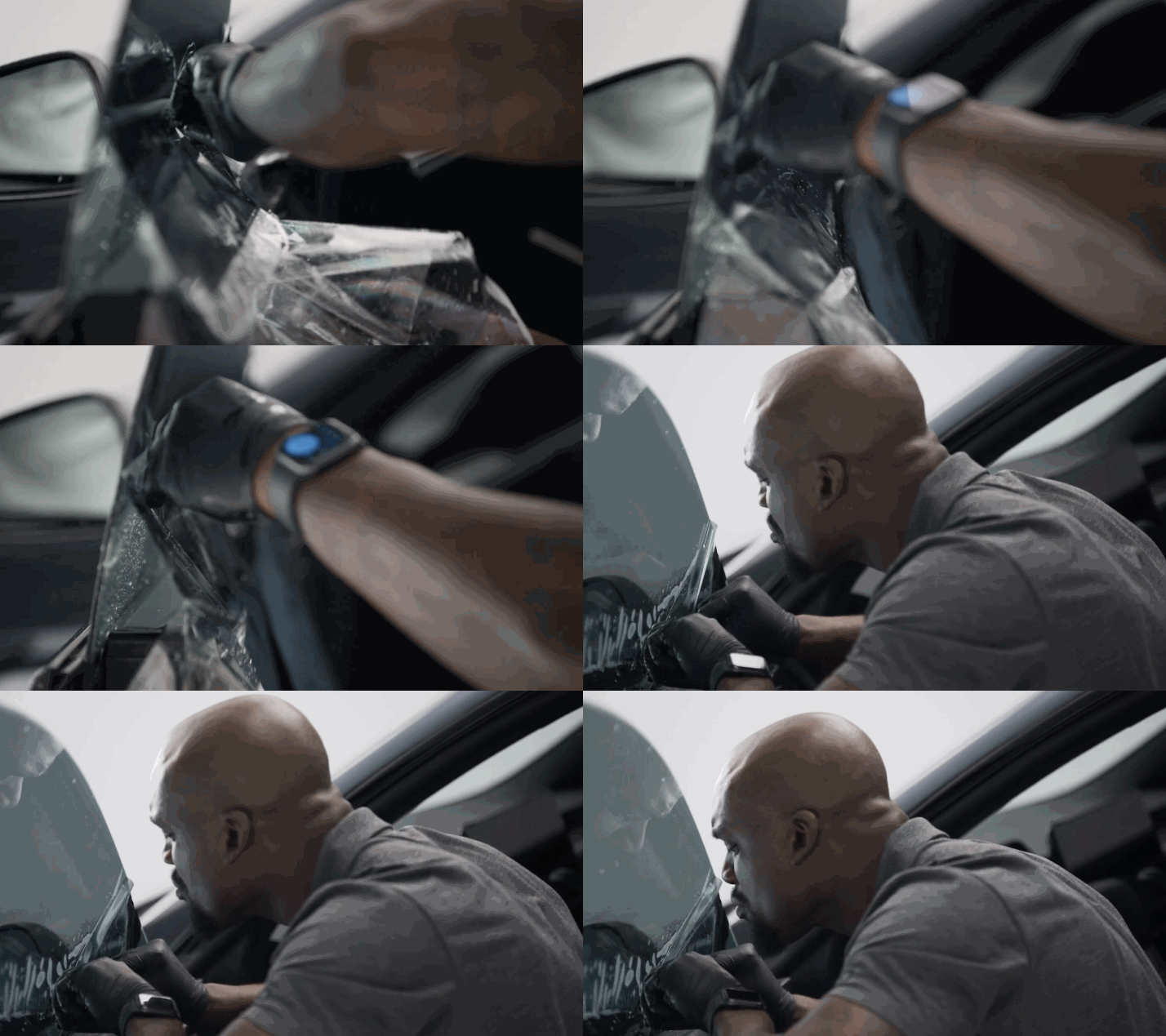
Not every Tesla owner uses their vehicle the same way. The best tint setup often depends on where you spend most of your time behind the wheel and how your vehicle is exposed to Florida sun throughout the week.
Daily Commuters
Drivers making regular trips between Lake Nona, Downtown Orlando, Winter Garden, and surrounding communities often spend significant time sitting in traffic. For these owners, heat rejection and glare control usually become top priorities because exposure accumulates throughout the workweek.
Theme Park Visitors
Orlando’s tourism industry creates a unique driving environment. Vehicles parked for long periods near attractions, resorts, and entertainment districts absorb heat continuously during the day. Many Tesla owners in this category prioritize broader glass coverage and stronger solar protection.
Frequent Highway Drivers
Long-distance travel along I-4, Florida’s Turnpike, or SR-417 exposes drivers to sustained sunlight for extended periods. In these situations, comfort becomes less about appearance and more about reducing heat fatigue during longer drives.
Tint selection also needs to stay within legal window tint Florida requirements. Performance matters, but compliance matters too. The goal is finding the right balance between visibility, comfort, and protection without creating legal concerns.
At Classic Details Auto Spa, we spend time understanding how each Tesla is actually used before making recommendations. The best Tesla tint recommendations come from matching the film to the driver, not simply choosing the darkest option available.
Long-Term Benefits Beyond Summer Comfort
One of the biggest advantages of window tint is that many of its benefits become more valuable over time. While most Tesla owners initially focus on reducing cabin heat, long-term protection often ends up being just as important.
Constant exposure to sunlight gradually affects nearly every interior surface. Dashboards, seat materials, trim pieces, touchscreen surrounds, and other cabin components receive direct UV exposure every day. Even well-built interiors can show signs of wear after years of repeated sun exposure.
Quality tint helps slow that process by providing an additional layer of UV damage prevention. Less UV exposure means materials maintain their appearance longer, colors stay more consistent, and surfaces are less likely to dry out prematurely.
There’s also the everyday comfort factor. Reduced glare can make daytime driving more relaxing, especially during sunrise and sunset hours when sunlight enters the cabin at difficult angles. More stable cabin temperatures help create a better overall driving experience without requiring constant adjustments to climate controls.
For many Tesla owners, these advantages become part of a broader strategy focused on interior protection and long-term vehicle preservation, helping the vehicle maintain both its appearance and comfort over the years.
Conclusion: Building the Right Tesla Tint Package for Florida Heat
Tesla vehicles offer an incredible driving experience, but their expansive glass design also makes heat management especially important in a place like Orlando. Long summers, heavy sunlight, and year-round UV exposure create conditions where the right tint setup can dramatically improve everyday comfort.
A well-planned window tint package helps reduce heat buildup, minimize glare, and protect interior materials from long-term sun damage. Combined with the right film technology and proper installation, it becomes one of the most practical upgrades a Tesla owner can make.
The key is looking beyond appearance alone. Performance, durability, and installation quality all play important roles in achieving the results you actually feel behind the wheel.
At Classic Details Auto Spa, we help Tesla owners throughout Orlando and Central Florida build tint solutions tailored to their driving habits, comfort goals, and vehicle configuration. Contact us today to learn more about our professional window tinting services and receive Tesla-specific recommendations designed for Florida heat.