
Ceramic window tint generally performs best in Florida because it offers superior heat rejection, UV protection, visibility, and long-term durability. While dyed, metallic, and carbon films each have advantages, ceramic tint is often the preferred choice for drivers seeking maximum comfort and protection in Florida’s hot, sunny climate.
Why Florida Climate Demands More From Window Tint
Florida’s climate makes tint performance more important than it is in many other parts of the country. Vehicles here deal with prolonged sun exposure, high humidity, strong UV levels, and months of intense heat that place constant stress on both drivers and interiors.
A vehicle parked outside in Miami faces different conditions than one sitting in a garage in a cooler northern state. The same applies to cars regularly driven through Tampa traffic, Orlando commuter routes, or coastal roads where reflected sunlight adds another layer of exposure.
Florida Conditions Put More Stress on Vehicles
- High UV levels accelerate interior fading
- Humidity makes cabin heat feel more intense
- Outdoor parking increases heat buildup throughout the day
- Coastal regions experience additional reflected sunlight
- Long summers extend exposure periods significantly
Because of these conditions, choosing the right window tint becomes less about appearance and more about practical Florida heat protection. The goal is finding an automotive window tint solution that contributes to real vehicle sun protection, not simply selecting the darkest film available.
What Are the Main Types of Window Tint?
Most automotive films fall into four primary categories: dyed, metallic, carbon, and ceramic. Each option is built differently, which means each one performs differently when exposed to Florida heat and UV radiation.
Before comparing them individually, it helps to understand that there is no single film designed for every driver. Some prioritize affordability, others focus on heat rejection, while certain products are designed to maximize durability and overall performance.
The Four Main Categories
- Dyed film focuses on appearance and glare reduction
- Metallic film uses reflective particles to reduce solar energy
- Carbon film improves heat rejection without metallic components
- Ceramic film prioritizes heat control, clarity, and UV protection
At Classic Details Auto Spa, one of the most common conversations we have with drivers revolves around understanding these automotive window film types before making a decision. Knowing the strengths and limitations of different car window tint options makes it much easier to choose a solution that fits both the vehicle and the way it’s used.
How Dyed Window Tint Performs in Florida

Dyed film is usually the most affordable tint option, but it generally offers the lowest level of heat rejection among the major film categories. That doesn’t make it ineffective, it simply means its strengths are different from those of higher-performance products.
Many drivers choose dyed window tint because it improves appearance, reduces brightness, and provides a darker look without requiring a significant investment. It remains a popular entry-level window tint option for those primarily focused on aesthetics.
Where Dyed Tint Performs Well
- Reduces glare during daytime driving
- Enhances exterior appearance
- Provides privacy depending on shade level
- Offers a lower-cost entry point into window tinting
The biggest limitation appears during Florida summers. Dyed films generally absorb heat rather than actively rejecting large amounts of it. As a result, drivers spending significant time outdoors or commuting daily may notice less temperature control compared to carbon or ceramic alternatives.
For some vehicles, dyed tint may still make sense. The key is understanding that affordability and performance do not always move together when it comes to window film.
How Metallic Window Tint Performs in Florida
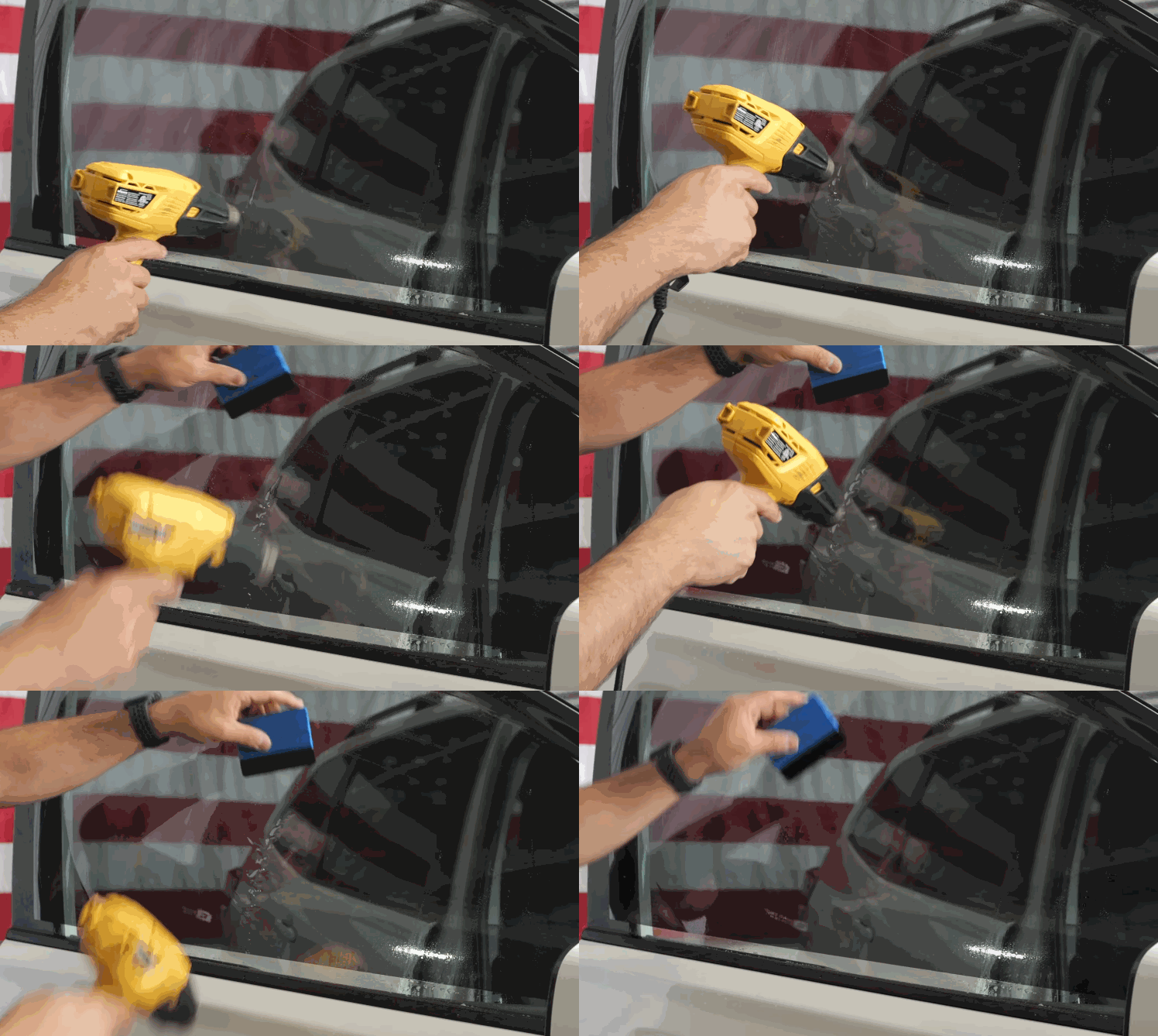
Metallic films offer stronger heat rejection than dyed films because they use microscopic metallic particles to reflect solar energy away from the vehicle. This reflective approach can help reduce heat buildup inside the cabin, particularly during long periods of direct sun exposure.
Unlike dyed films, metallic window tint is designed to actively manage incoming solar energy rather than primarily darkening the glass.
Characteristics of Metallic Tint
- Improved heat rejection compared to dyed films
- Durable construction with strong longevity
- Reflective appearance that some drivers prefer
- Enhanced resistance to fading over time
- Potential interference with electronic signals
That last point is often the deciding factor for many modern vehicle owners. GPS systems, cellular reception, satellite radio, and toll transponders can sometimes experience interference depending on the specific film and vehicle configuration.
For drivers who prioritize stronger heat management and appreciate the look of a heat reflective window film, metallic tint remains a viable option. However, advancements in carbon and ceramic technology have caused many Florida drivers to explore alternatives that provide similar or better performance without signal-related concerns.
How Carbon Window Tint Performs in Florida
Carbon tint offers stronger heat rejection and better fade resistance than dyed films, making it a popular middle-ground option for Florida drivers who want more performance without moving all the way into premium ceramic products.
Unlike metallic films, carbon window tint does not rely on metal particles to manage heat. Instead, it uses carbon-based technology that helps block solar energy while avoiding potential interference with GPS systems, mobile devices, and electronic toll transponders.
What Makes Carbon Tint Different?
- Better heat rejection than traditional dyed films
- No metallic content that could affect electronic signals
- Rich, non-reflective appearance
- Strong resistance to fading and discoloration
- Improved long-term durability in high-sun environments
From a practical standpoint, carbon occupies an important space in the market. It offers noticeable upgrades in comfort and longevity compared to dyed products, while generally remaining more affordable than premium ceramic films. For many Florida drivers, a quality fade resistant window film made with carbon technology provides a balance between cost and performance that feels appropriate for everyday use.
Which Window Tint Type Is Best for Different Florida Drivers?
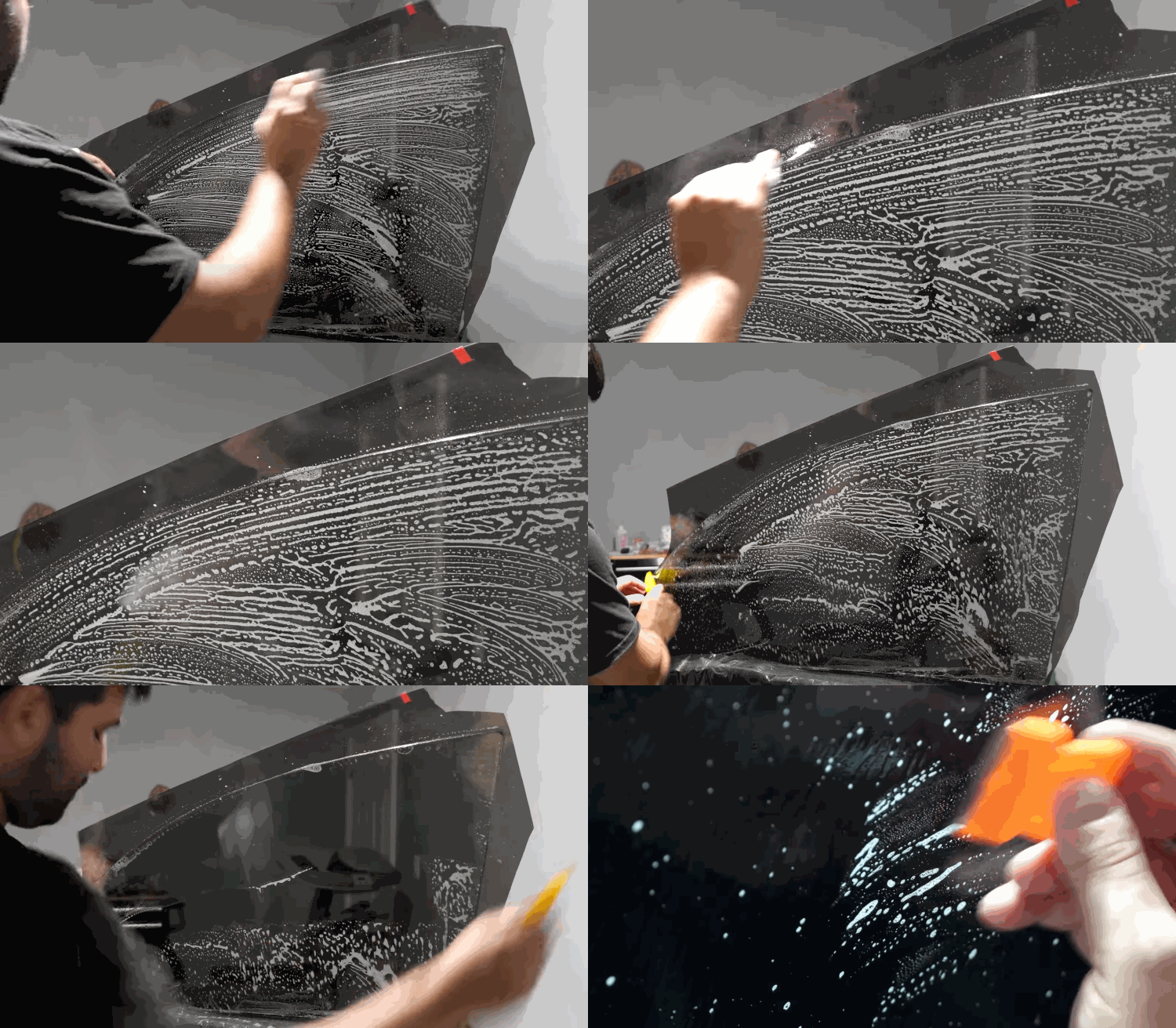
The best window tint Florida drivers can choose often depends less on the vehicle itself and more on how that vehicle is used. Driving habits, parking conditions, and comfort expectations all influence which film makes the most sense.
Daily Commuters
Drivers spending hours each week in traffic around Orlando, Tampa, or Miami often benefit from stronger heat rejection. Consistent exposure to sunlight during rush hour makes comfort a priority, especially during Florida summers.
Many commuters find that carbon or ceramic films provide the best balance between daily comfort and long-term value.
Outdoor Parkers
Vehicles parked outside at work, apartment complexes, or shopping centers face prolonged sun exposure throughout the day. For these owners, UV protection and interior preservation become just as important as immediate heat reduction.
Higher-performance films can help reduce the cumulative effects of sunlight on seats, dashboards, and trim materials over time.
Highway Drivers
Long-distance drivers spend extended periods exposed to direct sunlight through side glass and windshields. In these situations, glare reduction and heat management tend to become more noticeable during everyday driving.
For these drivers, investing in higher-performing film often translates directly into improved comfort behind the wheel.
Budget also plays a role in the decision. Some drivers prioritize affordability, while others focus on maximizing performance and durability. At Classic Details Auto Spa, we help drivers evaluate those tradeoffs so our car window tint recommendations reflect both their goals and the realities of Florida driving conditions.
Why Professional Window Tint Installation Matters Regardless of Film Type
Installation quality affects performance regardless of which film you choose. A premium film installed poorly can produce disappointing results, while a properly installed film is more likely to deliver the performance and appearance drivers expect.
The installation process involves much more than simply applying film to glass. Clean working conditions, accurate measurements, and careful finishing techniques all influence how the tint looks and performs over time.
Key Elements of Quality Installation
- Dust control to prevent particles from becoming trapped beneath the film
- Precise film alignment for a clean, uniform appearance
- Proper edge finishing to reduce lifting risks
- Controlled curing conditions for strong adhesion
- Attention to detail during trimming and final inspection
When installation standards are lacking, problems often appear later. Bubbling, peeling edges, visible contamination, and uneven finishes are among the most common complaints associated with poor installation practices.
That’s why professional window tint installation remains important regardless of whether a driver chooses dyed, metallic, carbon, or ceramic film. Reliable window tinting services focus on both the product and the installation process because long-term performance depends on both.
Conclusion: Selecting the Right Window Tint for Florida Conditions
Ceramic tint often delivers the strongest overall performance for Florida drivers, but the best choice ultimately depends on your priorities, driving habits, and budget. Dyed, metallic, carbon, and ceramic films all serve different purposes, and each one offers a different balance of cost, heat rejection, UV protection, and durability.
What matters most is choosing a film that aligns with Florida’s demanding climate. Strong heat rejection, effective UV protection, fade resistance, and professional installation all contribute to a better ownership experience over time.
The right window tint can help improve comfort during long summers, reduce glare on busy roads, and protect interior materials from years of sun exposure. When those benefits are paired with quality installation, the results become even more noticeable.
At Classic Details Auto Spa, we help drivers compare film options based on real-world Florida conditions rather than marketing claims alone. Contact us today to learn more about our professional window tinting services and get personalized guidance on selecting the right film for your vehicle.